
Close

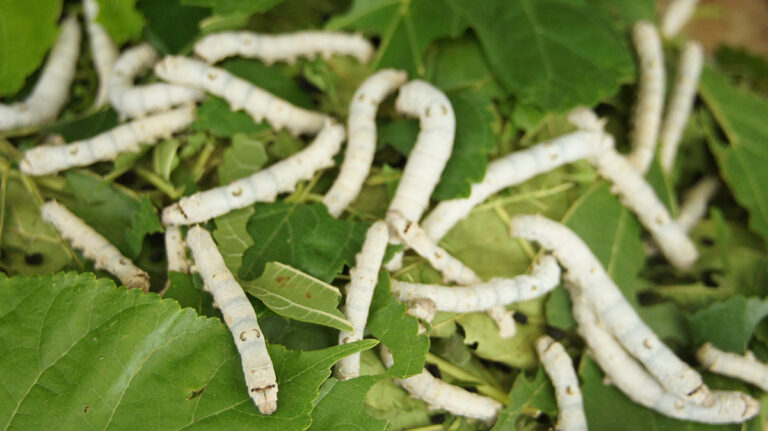
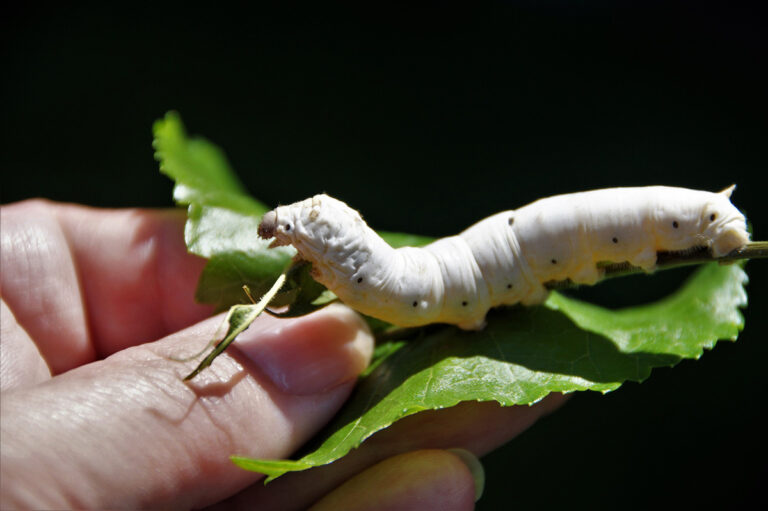
 Prima di tutto ci teniamo a presentarvi il Signor Moro, il nostro maestoso Gelso posto nel cortile dietro la Barchessa. Non è solo un ottimo riparo dal sole nei caldi mesi estivi, ma anche la fonte di cibo vitale per i nostri bachi da seta!
 Nel XV secolo la pratica della coltivazione del gelso si diffuse dalla Cina all’Italia, quando la coltivazione rurale della seta si espanse notevolmente nel nostro territorio. Questo facilitò la produzione di seta italiana per l’utilizzo nella fabbricazione di prodotti di lusso.
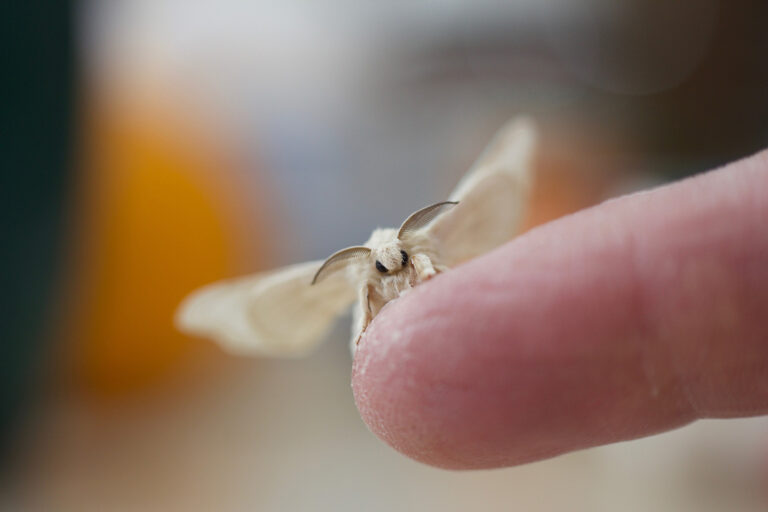
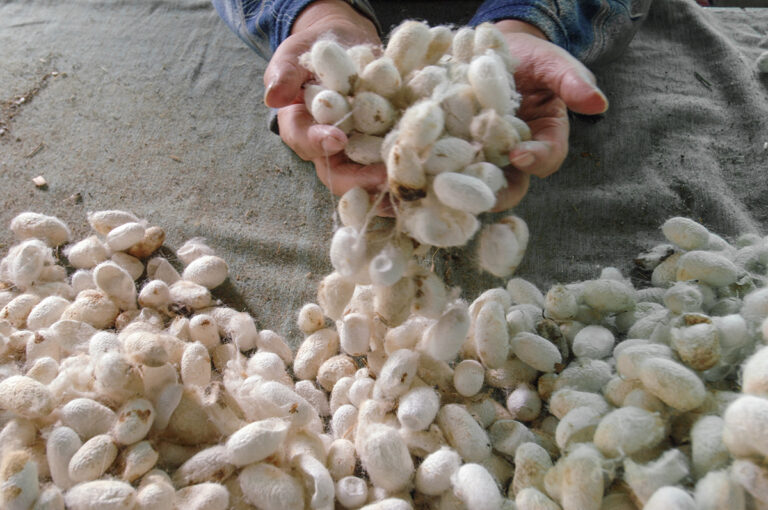
L’industria della seta in Italia era fiorente soprattutto nella zona dominata dai veneziani e questo spiega la grande diffusione dei gelsi nelle terre friulane. Queste foglie sono l’unica dieta dei bachi da seta, che nel loro processo di metamorfosi da bachi viscidi in graziose farfalle, costruiscono un bozzolo fatto di un unico filo di seta molto delicato e prezioso, la cui lunghezza può variare dai 500 ai 1200 metri. Il processo di allevamento dei bachi da seta si chiama “bachicoltura”, una pratica molto diffusa e redditizia fino alla fine degli anni Sessanta, quando sorse la concorrenza dei produttori cinesi, che abbassarono i prezzi del mercato.
A causa della popolarità di questa attività, il ricordo di questi piccoli insetti molto operosi è ancora nella mente di molti anziani provenienti dalle zone rurali della regione. Probabilmente li avevano visti in gioventù, quando alcuni bambini portavano a scuola i loro bozzoli dentro una scatola di cartone per mostrarli ai compagni di classe.
Quest’anno in Villa abbiamo deciso di fare lo stesso e rivivere quei ricordi grazie a un esperimento organizzato dall’Università di Padova. Lo scopo non è solo quello di richiamare l’antica tradizione ma anche di supportare le sperimentazioni per l’uso innovativo dei bozzoli di seta per l’industria cosmetica e farmaceutica.
Personalmente, è stato un piacere prendermi cura di queste simpatiche creature!